
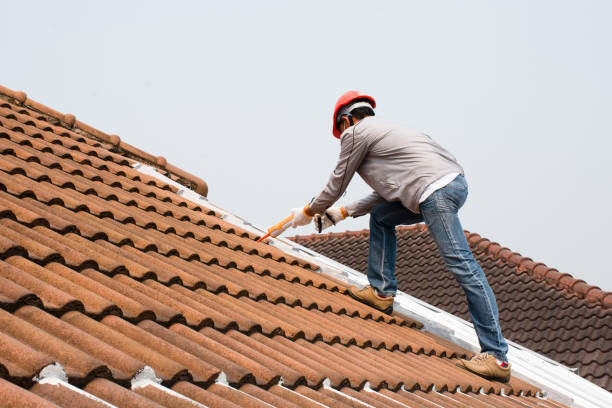
In the case of sealing cracks, joints and joints within structures, caulking is an important step. It can play a crucial role in the pursuit of the efficiency of energy, moisture resistance and aesthetics. But, numerous home owners and contractors frequently frustrated with an early failure of caulk. Knowing what causes caulking to fail in the first place, which common errors to avoid, as well as which caulk could make the difference to prolonging the longevity and efficiency of your sealing job.
Common Reasons Why Caulking Fails
1. Improper Surface Preparation
One of the main reasons for failure of caulk is insufficient prep of surface. Caulk requires an well-groomed surface that is dry and clean surface for a strong bond. The application of caulk on unclean, oily or damp surfaces hinders the caulk from adhering correctly.
Tips: Always clean the joint well take off any previous caulk and make sure your surface entirely dry before putting on new caulk.
2. Using the Wrong Type of Caulk
There are many different caulks that are not in the same way. Making the wrong choice of caulk that is not suitable for the particular job can make sure that the caulk will fail. In particular applying caulk made of latex in outdoor areas in which high flexibility and weather-resistant properties are needed could lead to premature deterioration.
Caulk made of silicone is perfect for kitchens and bathrooms because of its water-proof properties and its flexibility. polyurethane or hybrid caulks work better on joints on the exterior that need flexibleness and durability.
3. Skipping the Use of a Backer Rod
For deep joints, neglecting to utilize the backing rod will result in the caulk stretching and crack. A backer rod assists in creating an ideal form (hourglass) to seal the joint and helps ensure that caulk only sticks to two sides of a joint.
Tips: Always use a foam backing rod for joints that are deeper than 1/4 inch in order to lessen pressure on caulk, and to increase its effectiveness.
4. Applying Caulk in Extreme Temperatures
Caulk is not recommended to be used at temperatures that are extreme or freezing. Extreme temperature fluctuations can affect cure as well as the adhesion which can result in cracked or shrinking caulk.
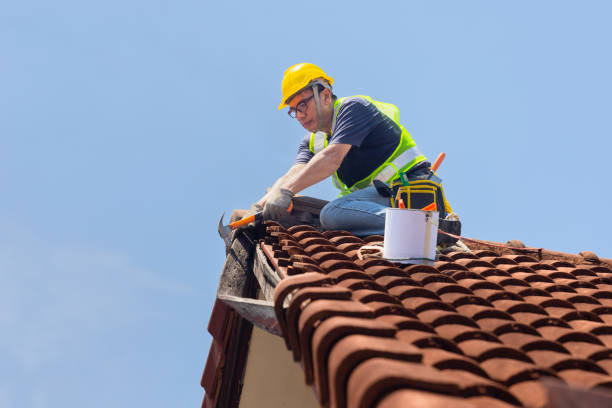
Tips: The ideal temperature range for caulking typically falls between 40degF to 80degF (4degC up to 27degC). Always check the label on the product to find specific instructions.
5. Overapplication or Underapplication
Caulk that is too thick can lead to the creation of waste and mess, while inadequate caulk results in fragile seal. Making sure you apply an uniform, continuous layer that seals the joint in a proper way is vital for a proper seal.
TIP: Use a caulking gun that has an easy trigger and try applying an even amount of. Make use of a smoothing tool for caulk or a moist finger to seal the joint in a clean manner.
6. Ignoring Curing Time
The rush to paint or expose the caulk that has been applied in the meantime will reduce the effectiveness. Certain caulks might be able to skin itself over within the space of a few seconds but it takes approximately 24 to 48 hours to set.
Tips: Always allow the caulk to completely cure in accordance with the instructions of the manufacturer before applying it to paint or water.
Choosing the Right Caulk: A Detailed Guide
1. Silicone Caulk
Ideal for: Bathrooms, kitchens windows, and any non-paintable surface.
Benefits Superb flexibility, durability, and resistance to water.
Pros: Cannot be painted and has a strong smell when applied
2. Acrylic Latex Caulk
Ideal for: Interiors, areas where painting is necessary
Advantages It is easy to paint and wash up. Paintable
Con: Less durable outdoors susceptible to cracking during temperatures that fluctuate
3. Polyurethane Caulk
Ideal for: Outdoor joints, siding and expansion joints
Benefits Very flexible outstanding adhesion, painting-friendly
Pros: Difficult to apply Longer curing time
4. Butyl Rubber Caulk
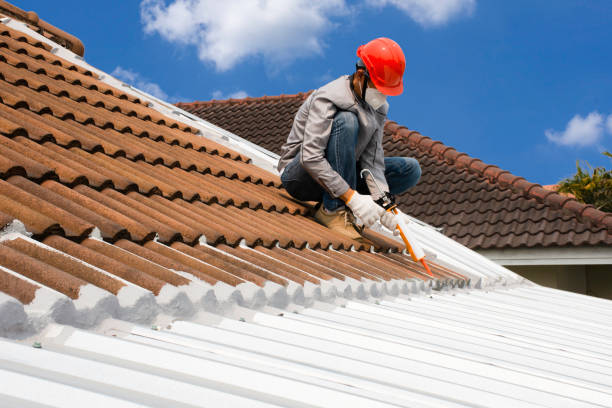
Best For: Roofing, gutters, chimneys
Benefits Highly durable and can be affixed to a wide range of surfaces.
Con: Messy application, prolonged curing time
5. Hybrid Polymer Caulk
Ideal for: general-purpose exterior and interior usage
Benefits Combining the benefits of polyurethane and silicone, as well as resistant to UV rays.
Pros: Typically more expensive
Pro Tips for Long-Lasting Caulking
Use High-Quality Products
Making the investment of top caulking material may cost you more up front however it will save cash in the end through a reduction in the frequency of repairs.
Store Caulk Properly
Caulk cartridges need to be stored in an dry, cool place and utilized prior to the expiration date. If stored incorrectly, or not properly, caulk tends to lose elasticity and adhesive.
Don’t Forget Expansion and Contraction
Particularly in outdoor environments construction materials expand and contract in response to changes in temperature. Choose caulk that has characteristics of high elongation to withstand these fluctuations without cracking.
Regular Maintenance Checks
Examine caulking on a regular basis, particularly in places that are prone to water, like windows and bathrooms. The early detection of cracks and issues with mold will help prevent bigger issues.
Signs of Caulk Failure to Watch For
- Cracking or breaking or
- Mold growth or discoloration
- Peeling or removing from the top
- The water seepage in joints
- Drafts, or inefficiency of energy close to windows or doors
If any of these problems occur, remove the old caulk right away and apply a new caulk according to the proper procedures.
Conclusion:
Learning why caulk doesn’t work and how to avoid making the most frequent errors will keep you from expensive repair, energy inefficiencies as well as structural damages. Through choosing the appropriate kind of caulk by preparing your surface in a proper manner, and following guidelines for application you will get an solid, flexible and long-lasting seal that can stand up to the test of time.